Silatec Safety Glass
for retrofit burglary protection
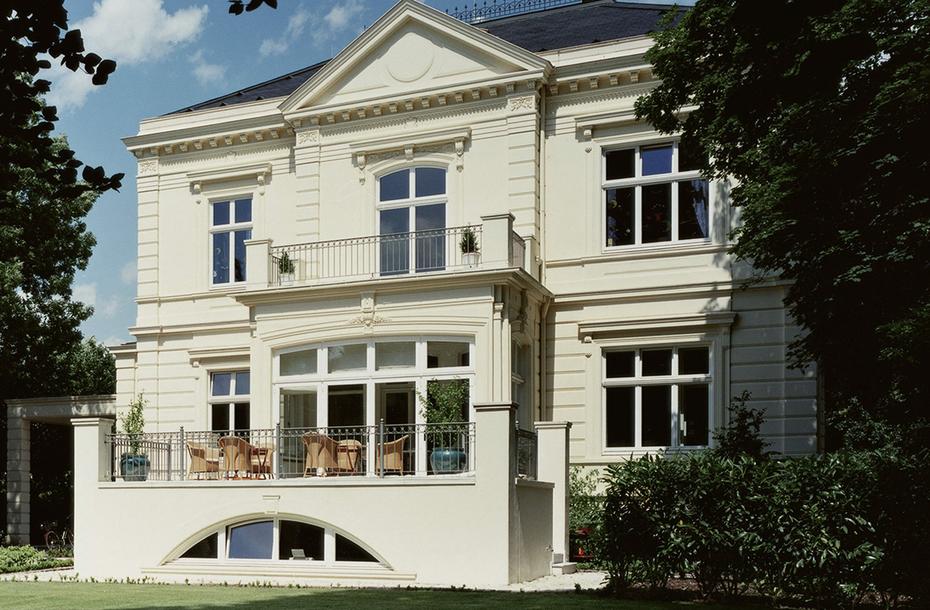
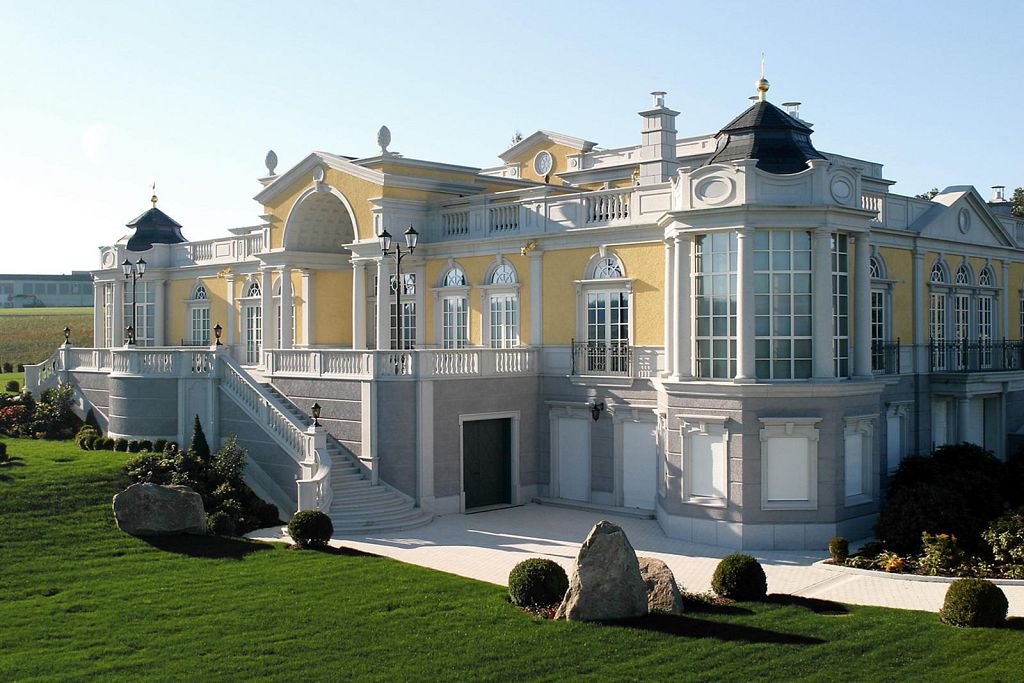
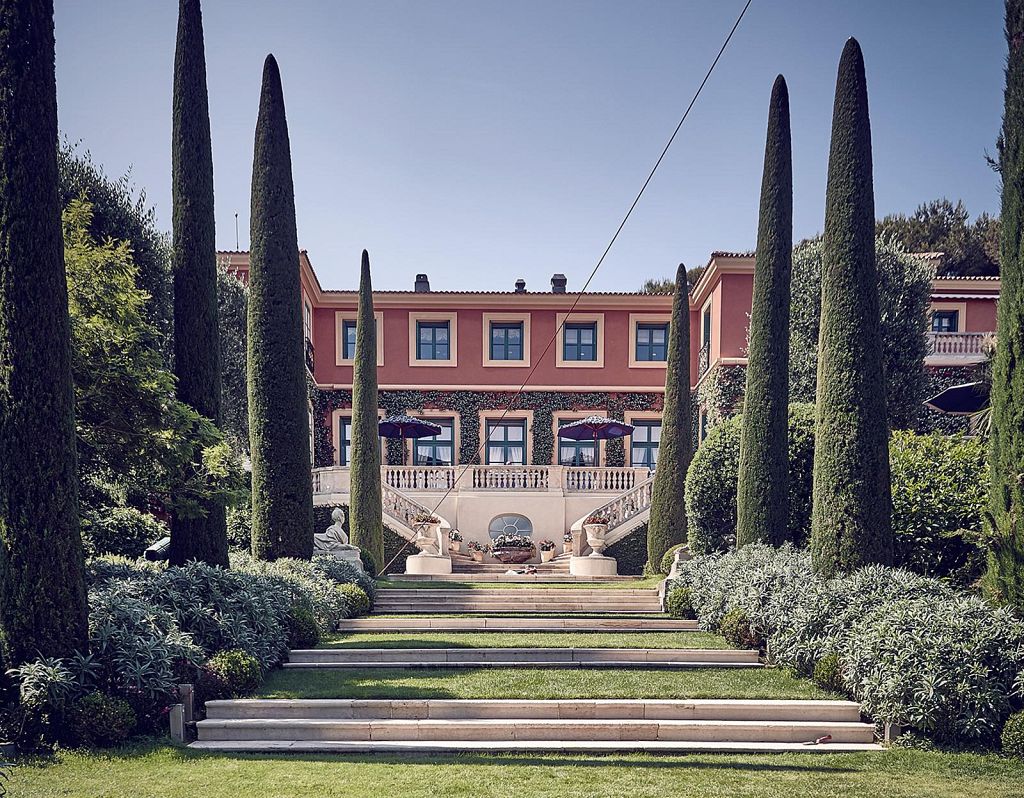
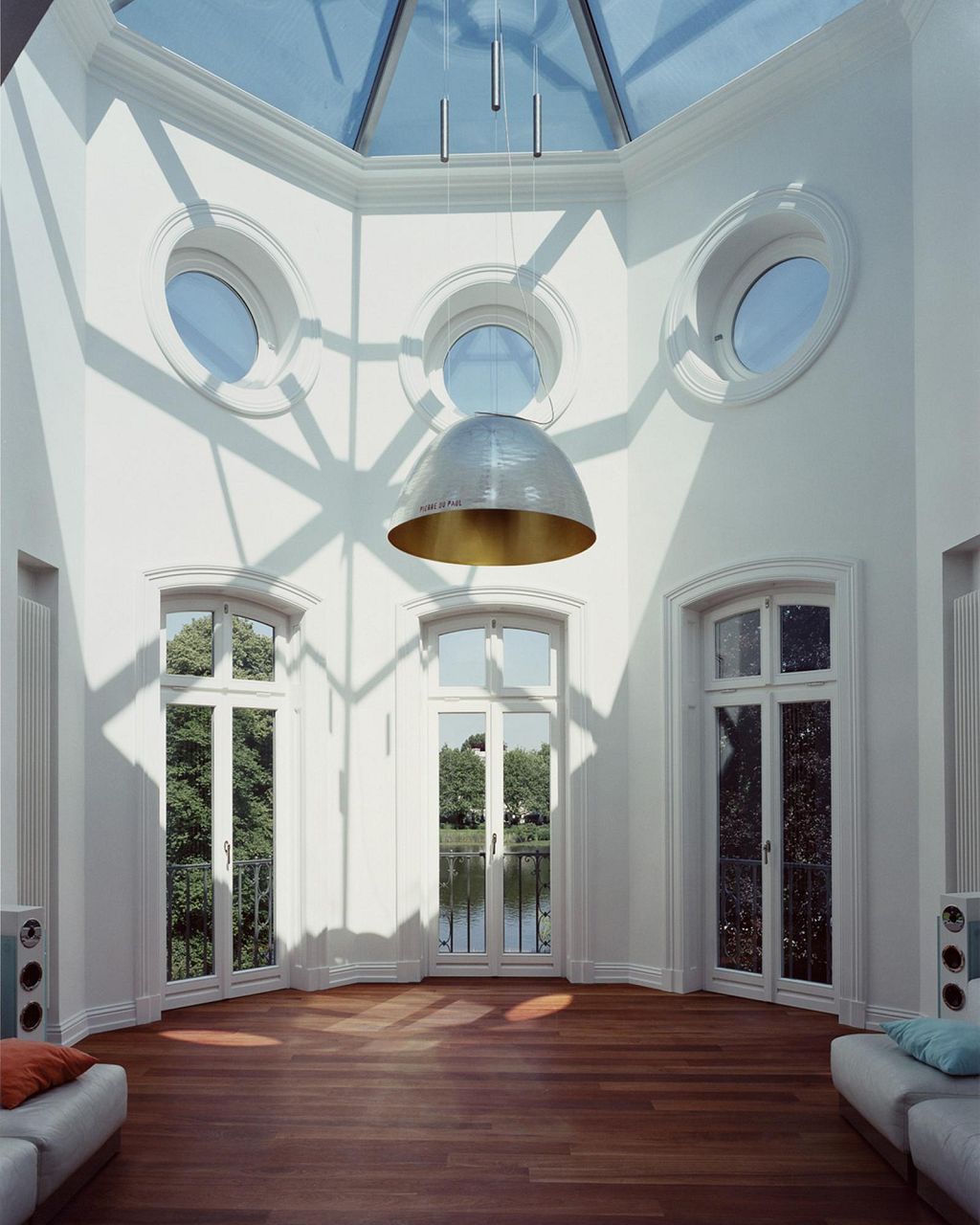
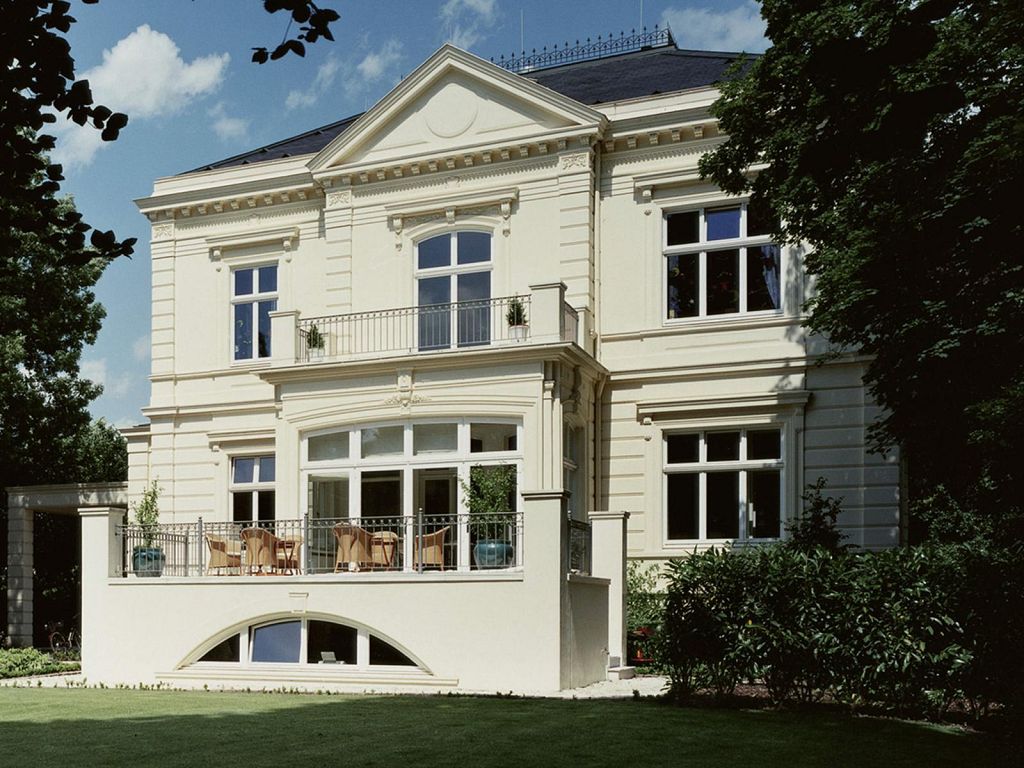
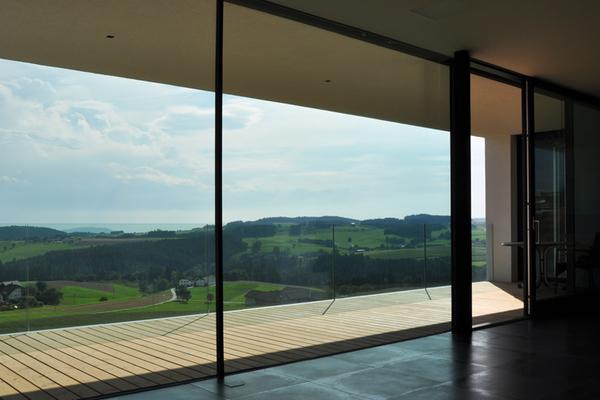
Silatec Glass for Private Villas
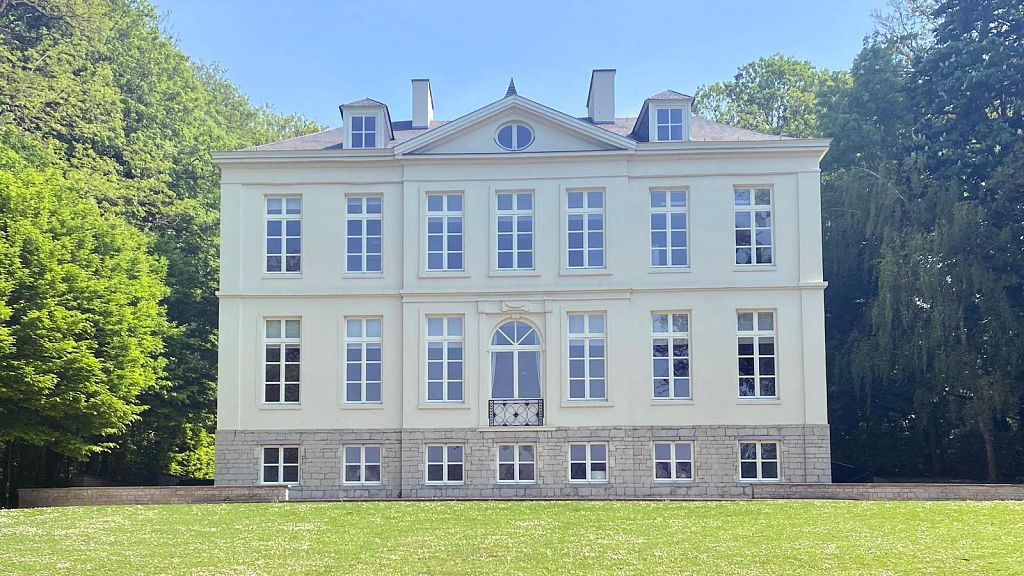
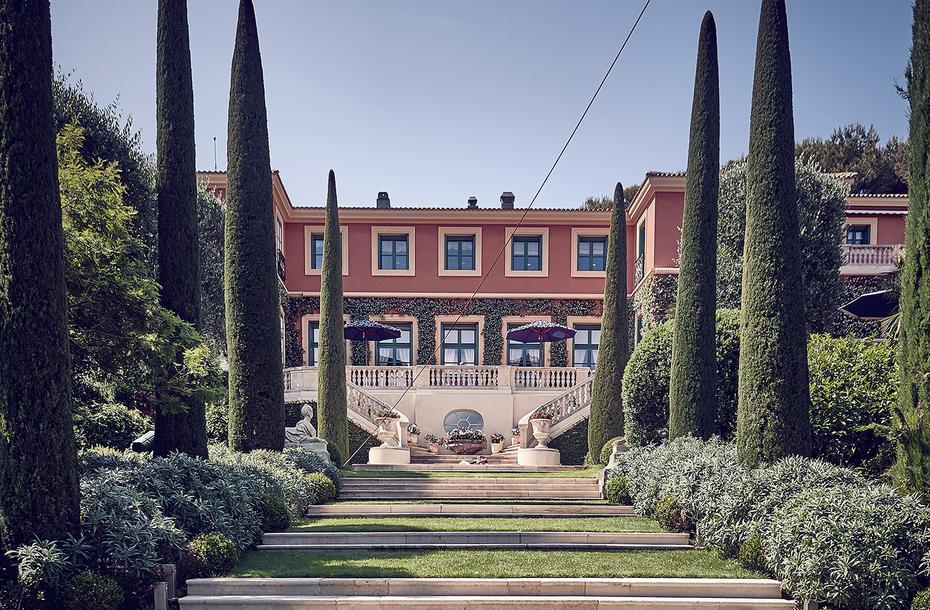
Retrofitting is possible for nearly all existing properties—regardless of the year of construction, window type, or architectural style.
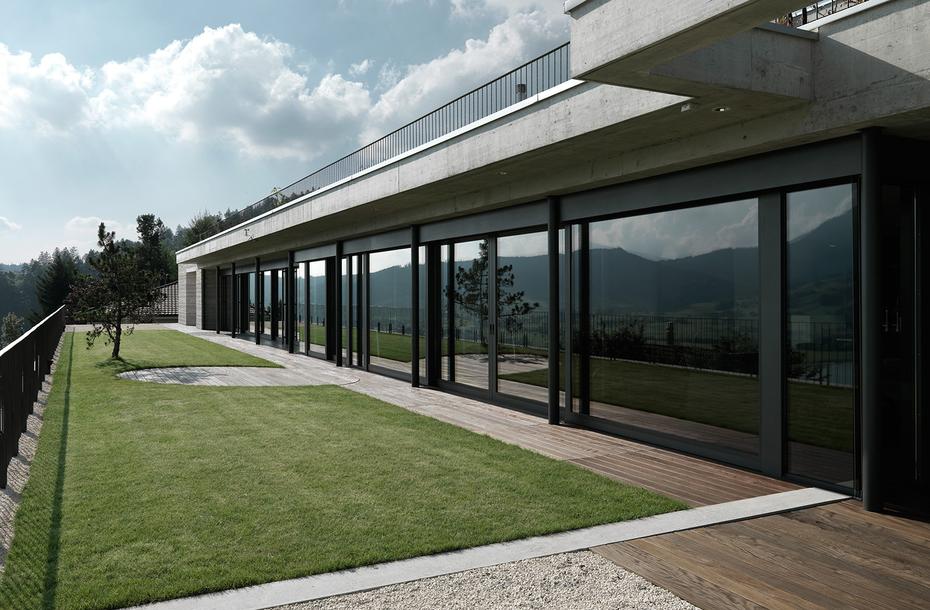
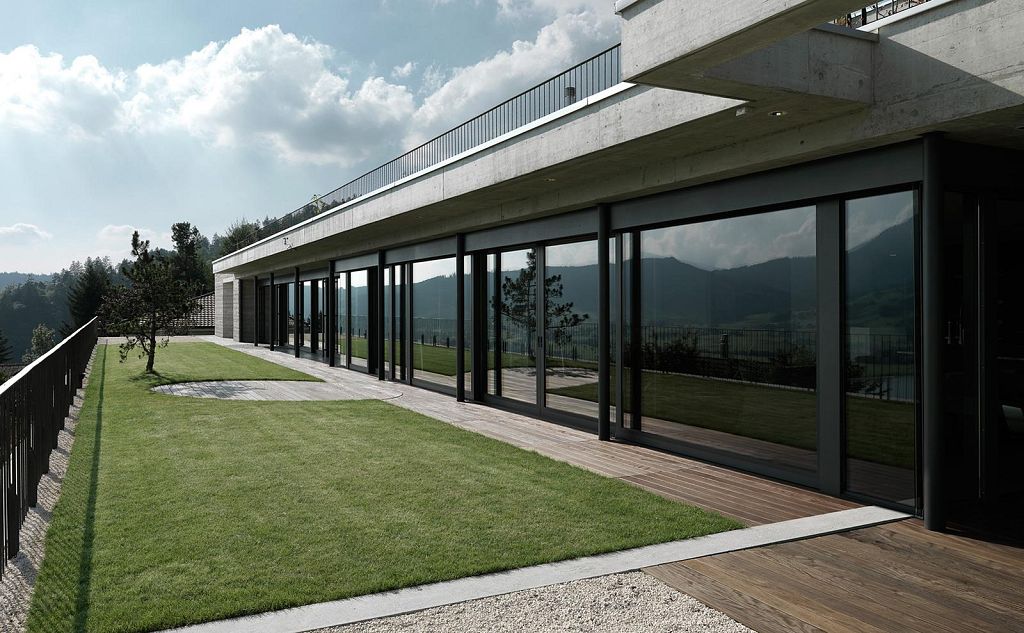
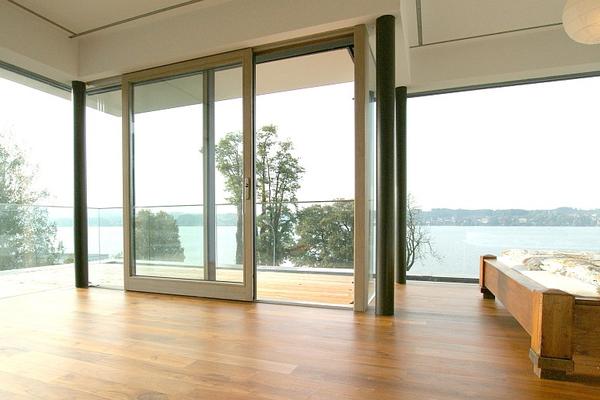
Silatec Glass for Public Buildings


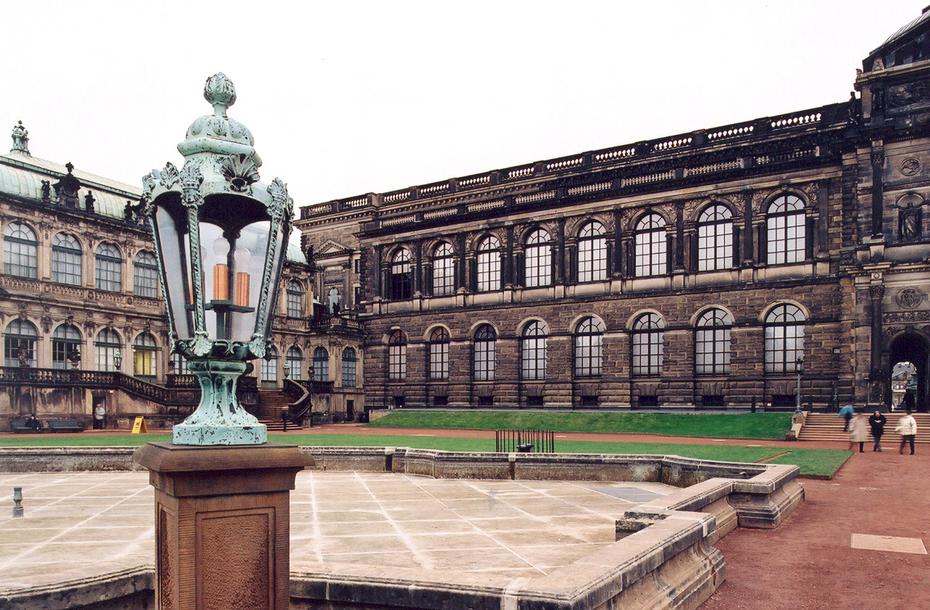
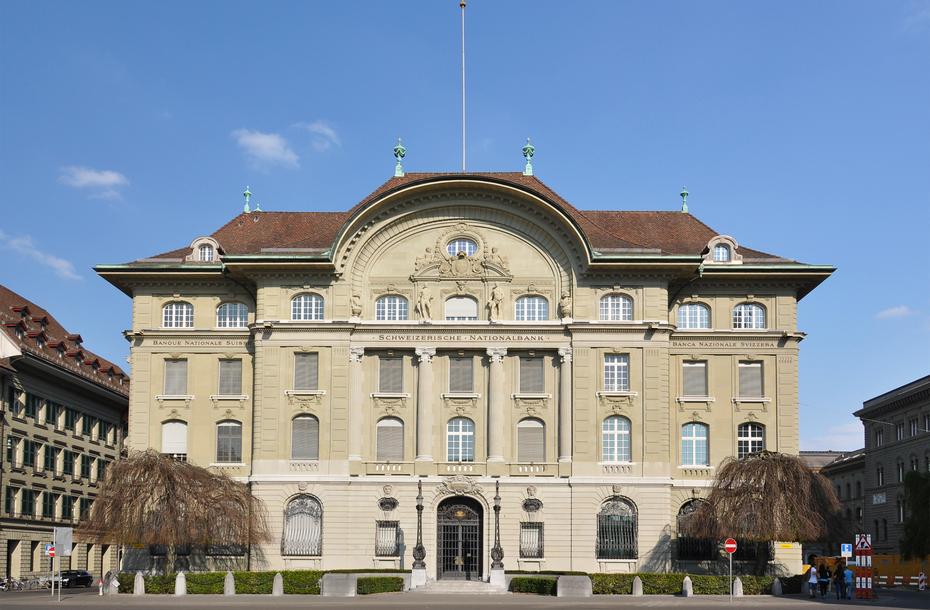
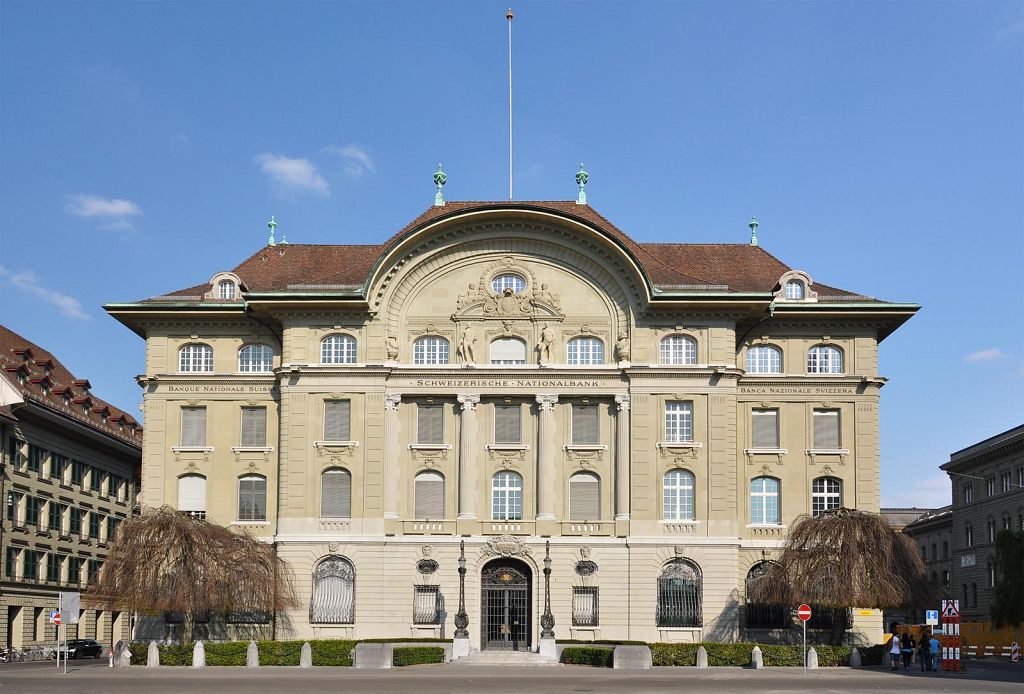
Custom-made safety glass ensures protection and security, even in sensitive public buildings with specific requirements regarding design and structure.
The Benefits of Silatec Safety Glass
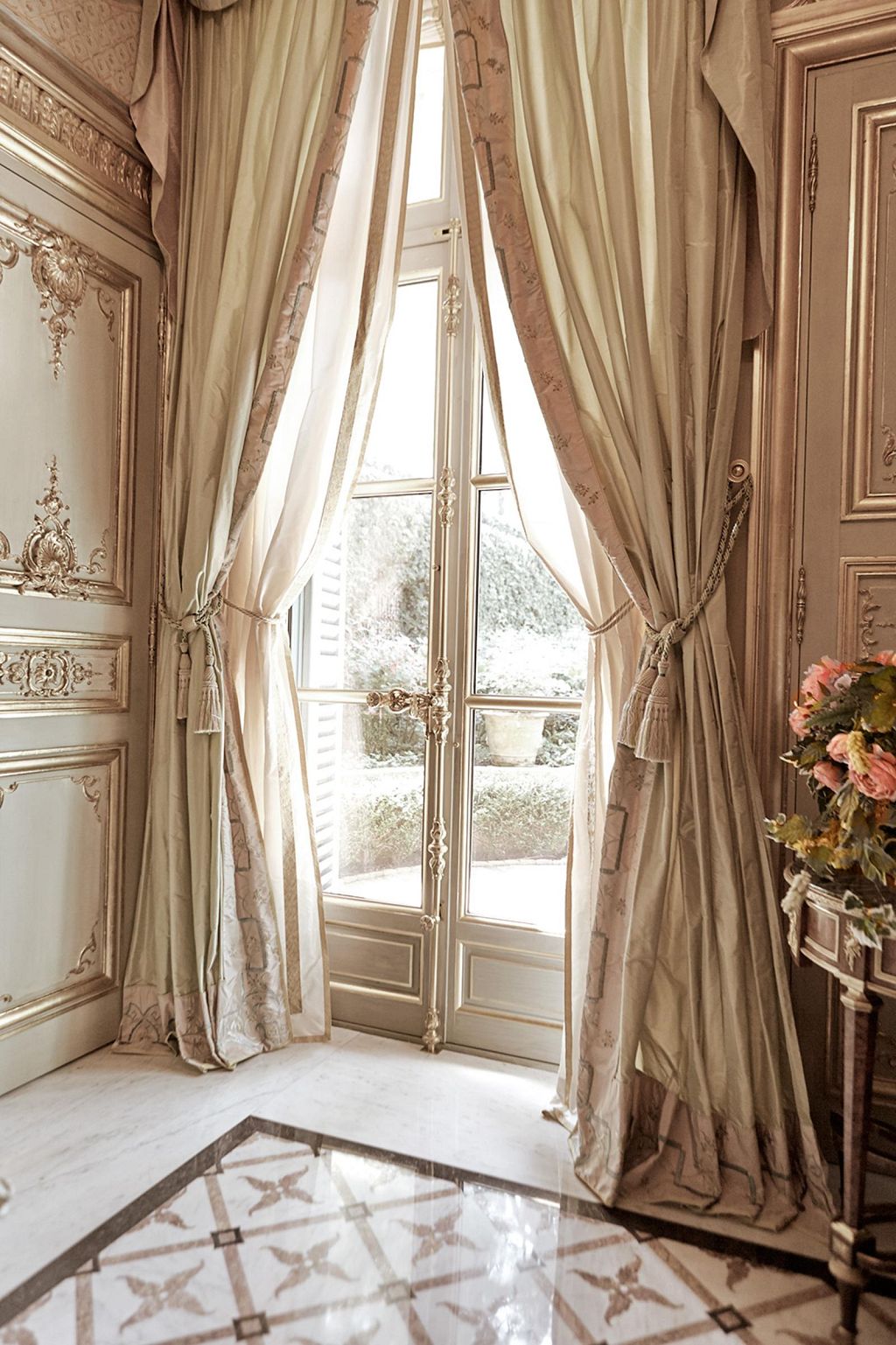
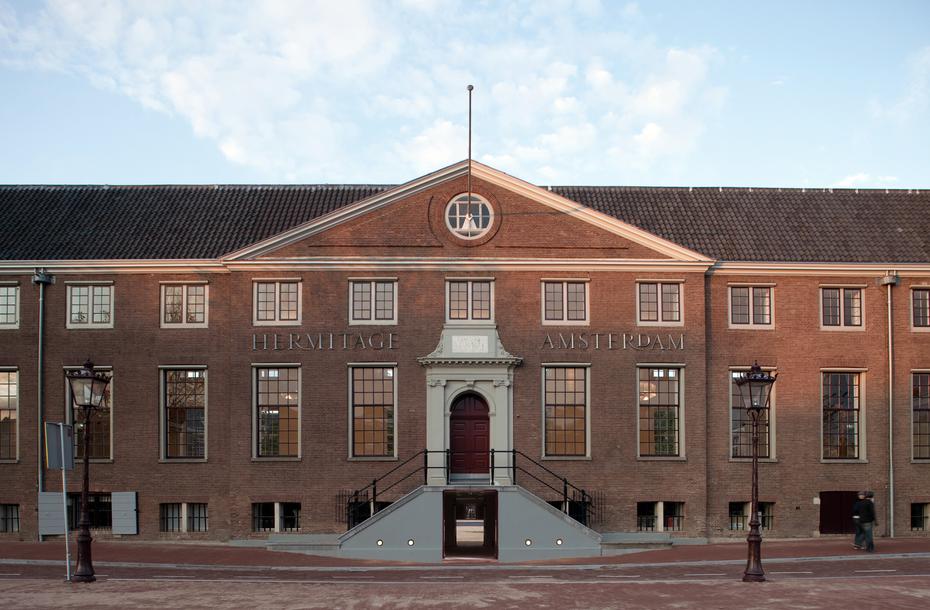
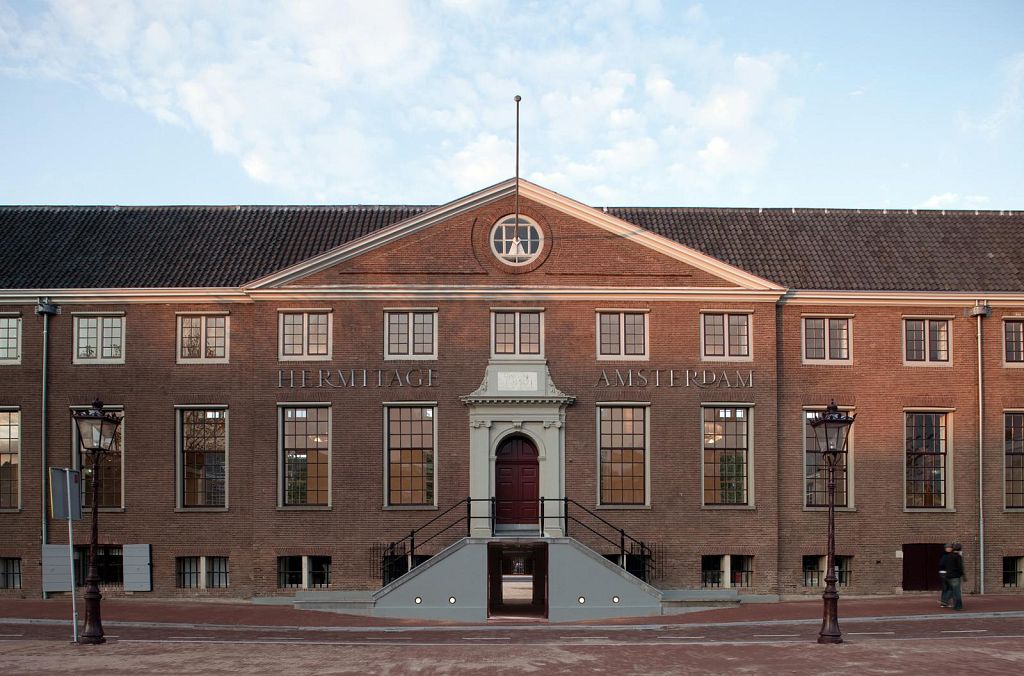
for Historic and Older Buildings

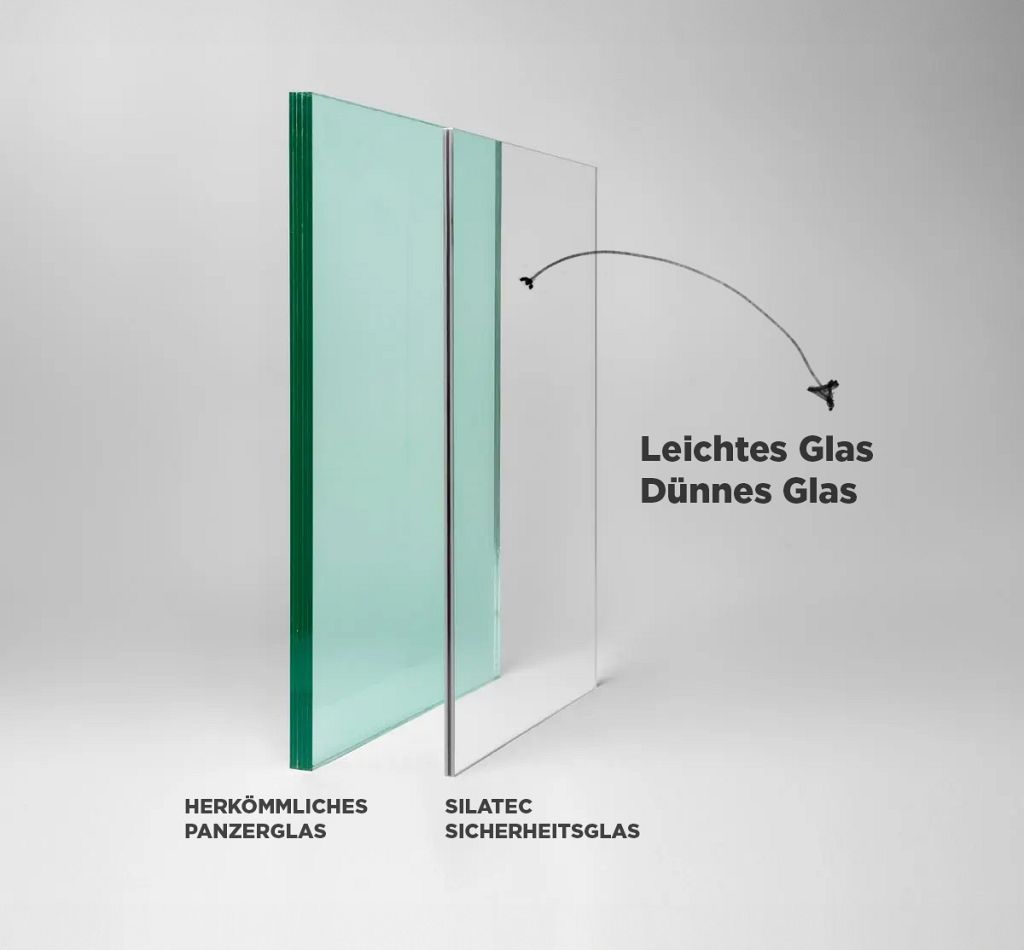
Very thin
Silatec's burglar-resistant glass can be integrated into the typicallynarrower
frames ofolder windows.
Particularly lightweight
Thanks to their low weight, the panes do not place excessive strain on older frame profiles.
Expert Knowledge
Since approximately 80% of break-ins in single-family homes occur through windows and French doors, it is recommended that you secure all building openings. Don’t forget the side entrances and basement windows. Also keep in mind the passageway between the garage and the house, accessible skylights, and balconies that can be reached from the outside.


Interview on the Requirements for Silatec Safety Glass in Historic Buildings
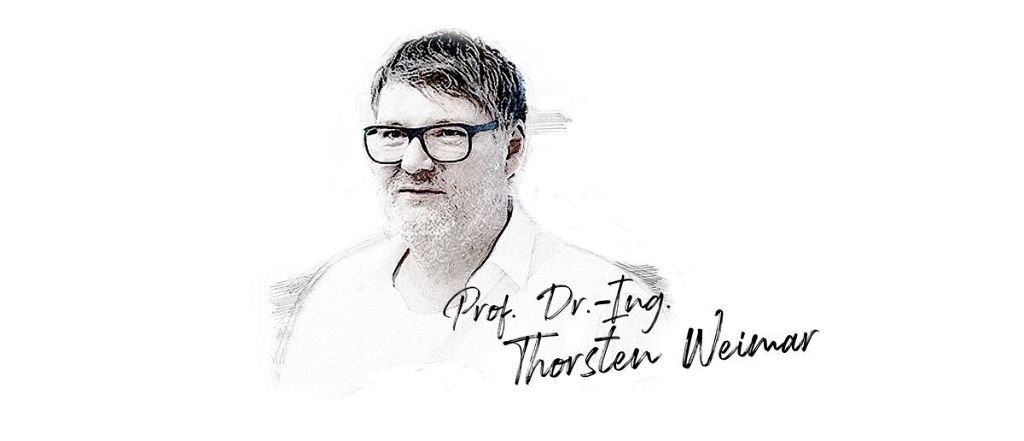
Prof. Thorsten Weimar, Ph.D. (Eng.), from the Chair of Structural Engineering at the University of Siegen, answered a few questions for us about the research project involving Silatec safety glass.
Preserving aesthetics is crucial in historic preservation projects. How does Silatec manage to maintain the original appearance—such as the slender frames of historic windows—with its thin, burglar-resistant glass?
The frame profiles of windows in historic buildings are significantly slimmer compared to current frame profiles. This is due to the much lower requirements for glazing at that time in terms of thermal insulation, sound insulation, or safety. In contrast to the standard glazing cross-sectional widths of 40 mm to 50 mm used today, the frame profiles of historic windows allow for a cross-sectional width of perhaps only 15 mm to 25 mm. Preserving these frame profiles while meeting current glazing requirements is only possible with specialized products, such as Silatec safety glass.
Conventional safety glass is often very thick and heavy. What technological breakthroughs in your research have made it possible to develop glass that is so thin and light yet still offers the highest level of burglary resistance?
Our collaboration to date with Silatec Sicherheits- und Laminatglastechnik GmbH on various research projects has resulted in several developments aimed at achieving the aforementioned properties. A significantly slimmer cross-sectional width, for example, is achieved through the first-ever use of thin glass in Silatec safety glass. We have been implementing this innovation on the market since 2017 as one of the very first architectural applications of thin glass. The result is what was then the world’s thinnest burglar-resistant glazing up to the highest resistance class, achieved through the combination of thin glass and polycarbonate.
Burglary protection is one thing, but what other positive effects have you identified in your research? Are there, for example, improvements in sound insulation or energy efficiency that are particularly relevant for older buildings?
In addition to safety requirements, our research projects also explore other aspects, such as thermal insulation and sound insulation. A key reason for this is the expansion of Silatec safety glass to include vacuum-insulated glass, creating a multifunctional glazing system. This results in very slim and very lightweight glazing that meets the highest safety standards. It’s ideal for use in the frame profiles of historic windows. Another innovative step for Silatec safety glass was certainly the development of an alternative polymer interlayer with greater rigidity, which replaces polycarbonate in certain applications.
Imagine you’re advising the owner of a historic building. What would be your main argument for why they should choose Silatec’s thin, burglar-resistant glass?
Thanks to the various developments resulting from previous research projects, Silatec safety glass can be tailored very well to the individual requirements of historic windows in listed buildings, much like a modular system. This certainly makes it possible to achieve the best possible solution for the specific application.

Retrofit Burglary Protection for Luxury Villas & Properties
What steps should be taken to make older windows burglar-resistant?
It is important to install mushroom-head hardware in the window. This makes it significantly more difficult to pry the window open during a break-in attempt.
In our experience, impact-resistant P4A or P5A glass is not sufficient for effective burglary protection. This is because intruders can break it with the right tools in about 10 seconds.
In principle, we therefore recommend at least Silatec P6B glass in accordance with EN 356; for higher security requirements, Silatec P7B or P8B glass may be necessary. The best option depends on the specific project. These recommendations do not replace individual security consulting.
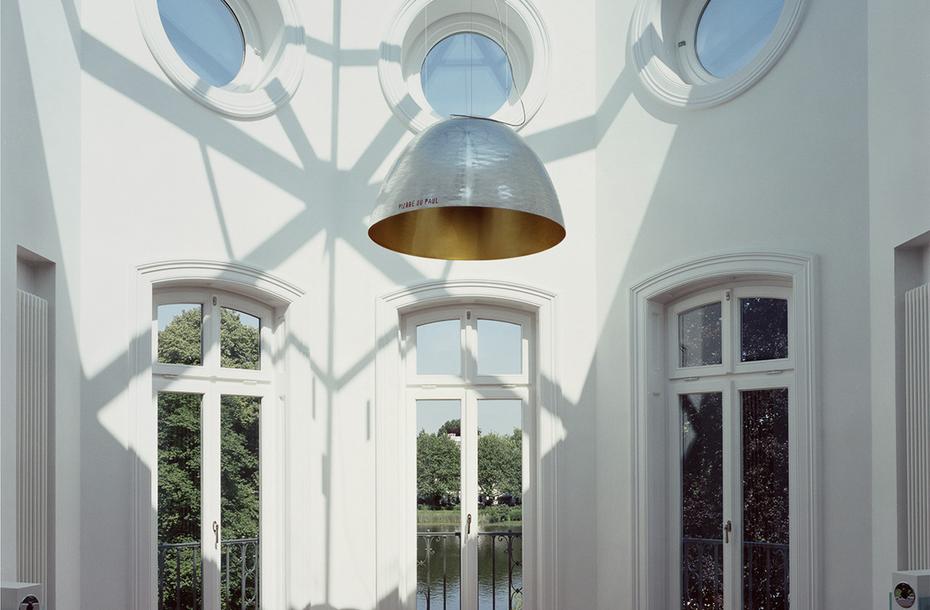
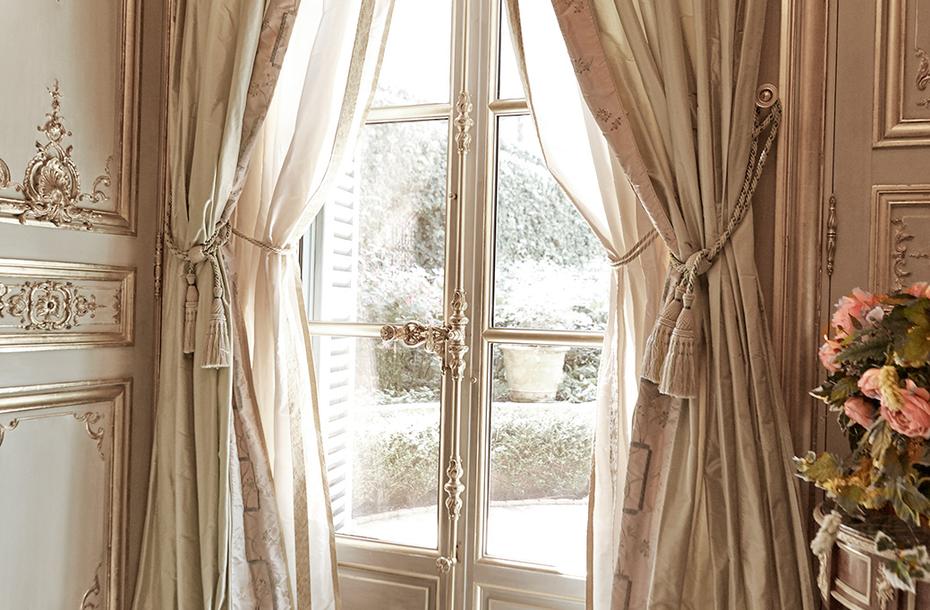
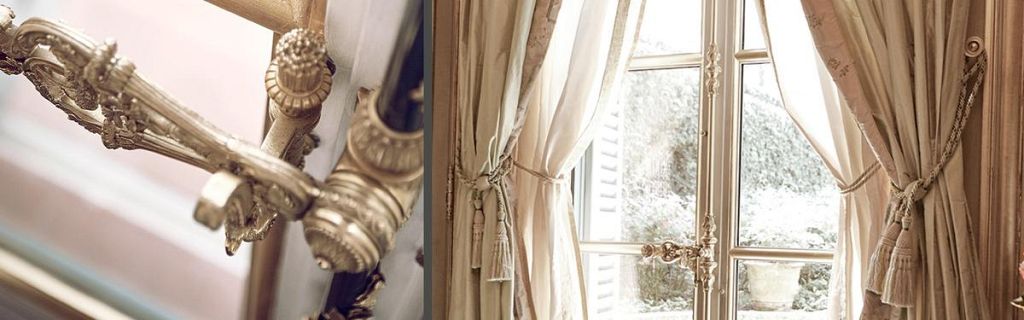
Silatec safety glass can be very thin. As a result, it fits even into many older, delicate wooden frames, including those with muntins. This makes it suitable as safety glass for homes where the historic appearance is to be preserved.

Which windows can be retrofitted?


In general, windows made of wood, wood-aluminum, metal, or plastic can be retrofitted with burglar-resistant features. It is important that the window structure allows for the installation of mushroom-head locks and burglar-resistant glass.
In our experience, this is not a problem for windows installed starting in the 1980s. However, many older windows can also be retrofitted. Each case must be evaluated individually. We have already been able to secure beautiful historic wooden windows by milling out the frames and incorporating metal.
Why is Silatec safety glass ideal for
retroactive burglary protection?
Despite its extreme resistance to break-ins, Silatec Secura is slim and lightweight, making it suitable for installation in many windows of older homes. Another advantage is that the glass can be manufactured to provide a high level of thermal insulation while remaining relatively thin.
Please note that retrofitting—by replacing poorly insulated panes with glass that offers better thermal insulation—can cause a shift in the dew point. The resulting condensation can promote mold growth. It is therefore recommended to have the specific conditions assessed—for example, by a building physicist—before replacing the panes.
Custom Solutions for Historic Buildings
with Silatec Safety Glass
Silatec can produce highly customized solutions and develop special designs for historic buildings to preserve the appearance of older windows. Especially for historic buildings, we can offer tailor-made solutions—unlike anything seen before. Just contact us to discuss your needs.

Patrick Coppée
Experte für SicherheitsglasPatrick Coppée is an expert in safety glass solutions that meet the highest standards for burglary protection, bullet resistance, aesthetics, and functionality. As Sales Manager at SILATEC, he advises owners of exclusive residential properties, museums, government institutions, and embassies, as well as security and design consultants, on the development of customized security concepts. His expertise is rooted in the combination of scientific research, continuous product development, and extensive practical testing.
Through close collaboration with government agencies, state criminal investigation bureaus, and leading security experts—as well as his experience with numerous burglary and shooting tests—he possesses in-depth knowledge of real-world threat scenarios and effective protection concepts. With more than 100 technical presentations and live demonstrations across Europe, he explains complex security requirements in a practical manner and is one of the most sought-after experts for transparent security solutions.