


RC2 glass and RC3
glazing for panic doors.
RC2/RC3/RC4 glass for panic doors


NOT permissible
for RC2/RC3/RC4
panic doors
P1A - P5A glass
P6B - P8B glass
8mm polycarbonate

Permissible
for RC2/RC3/RC4
panic doors
SILATEC RC2 panic glass2
SILATEC RC3 panic glass2
SILATEC RC4 panic glass2


from me

Your benefits
- Permissible and certified in accordance with DIN EN 1627/1630
- Optics adaptable to the rest of the facade
- Quality made in Germany
- Fast delivery, safely packaged
RC2 glass for panic doors:
Type SILATEC RC2 panic glass2


RC3 glass for panic doors:
Type SILATEC RC3 panic glass2


RC4 glass for panic doors:
Type SILATEC RC4 panic glass2
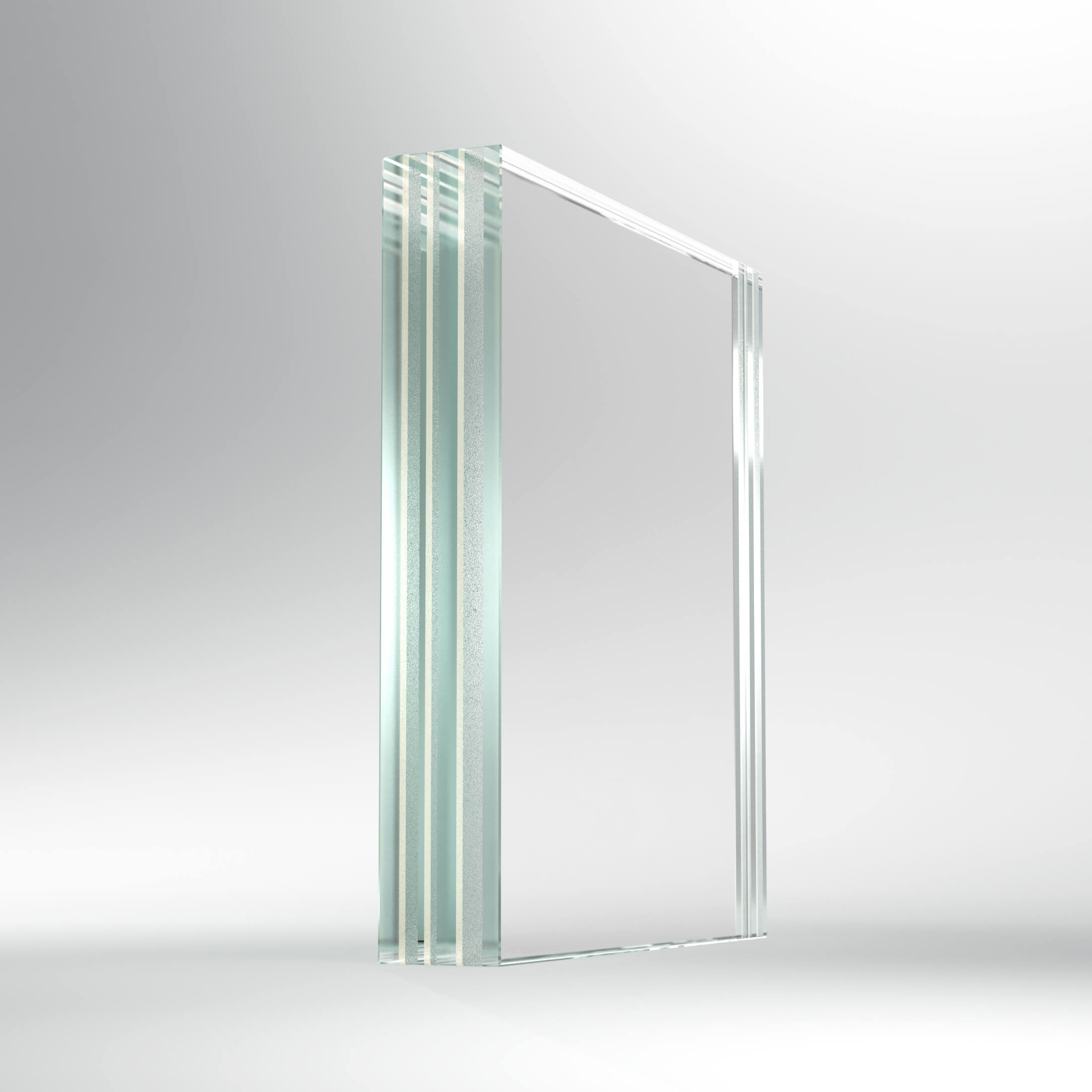
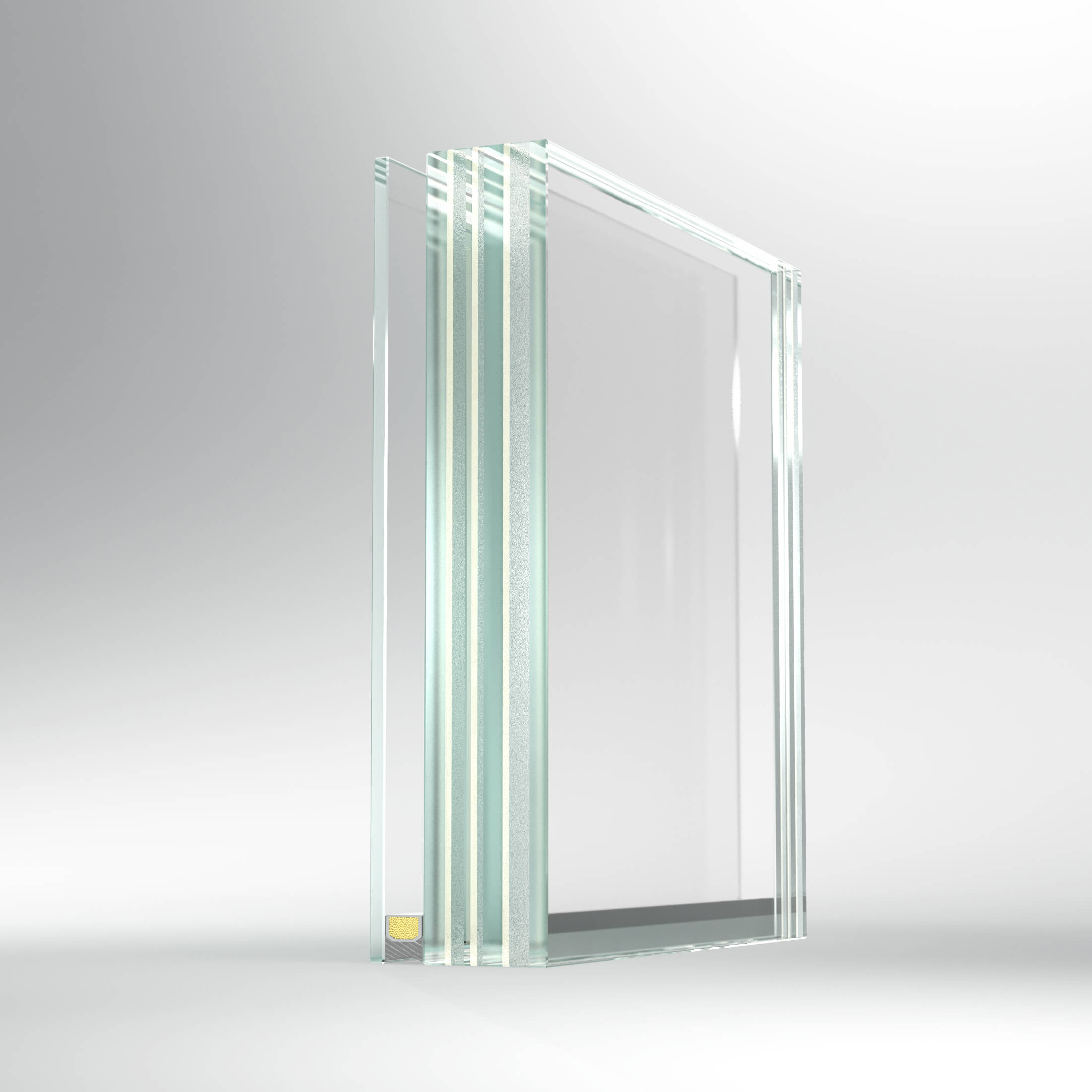
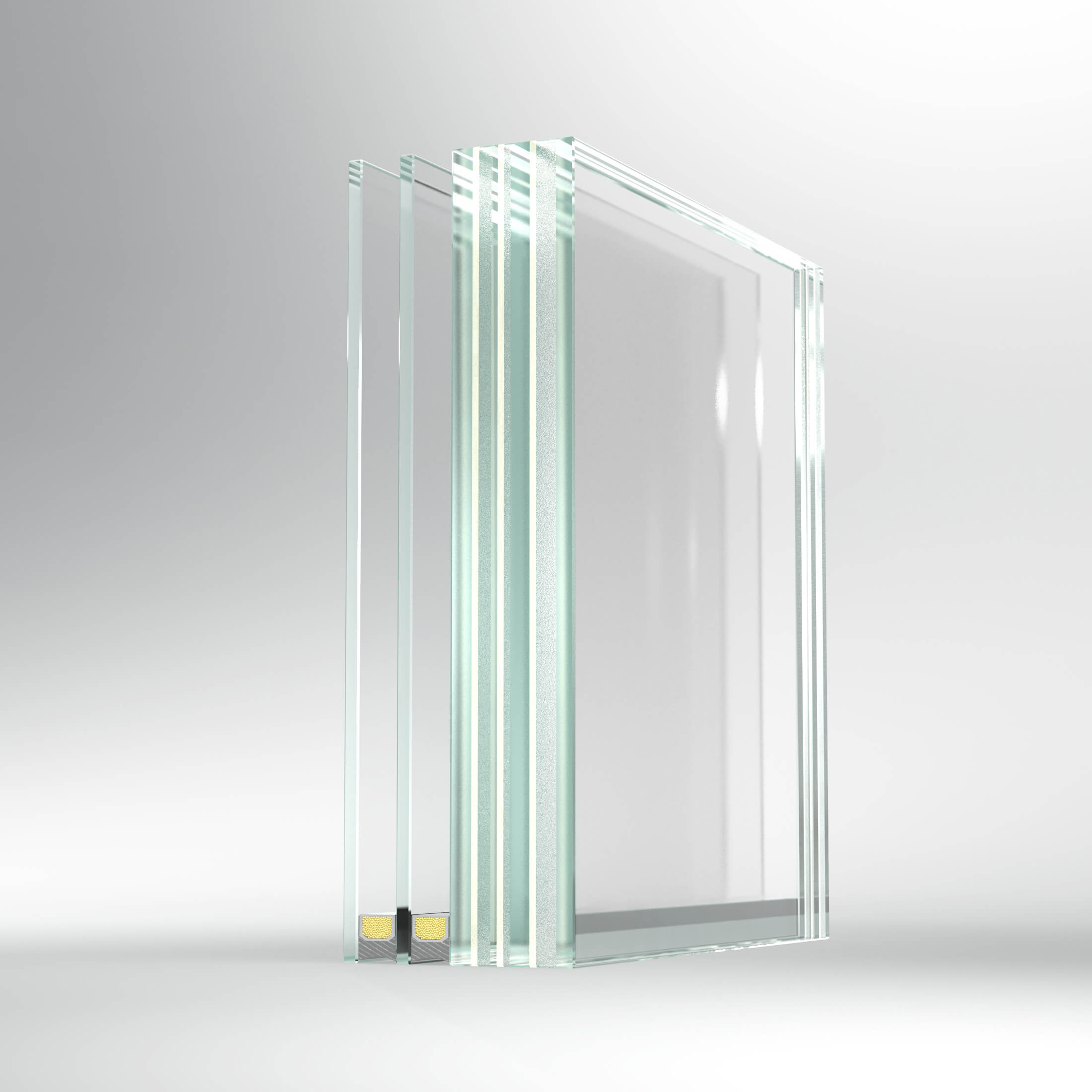
Also with bullet proof and alarm
Why SILATEC RC2, RC3 or RC4 glass for panic doors?
Because a common RC2, RC3 or RC4 glazing in accordance with EN 356 is not certified! I.e. P1A - P5A glass common P6B - P8B glass or 8mm polycarbonate. SILATEC panic glass is certified and as burglarproof as the panic door. The glass is also tested according to the standard. By the way: In contrast, the glass will not be tested for RC2,3,4 windows! The standard only specifies P4A or P5A glass? - however, this is already destroyed after a few seconds3.
| RC2 panic door | Resistance time about three minutes (against unpracticed amateur thieves with small tools) | SILATEC RC2 panic glass2 |
| RC3 panic door | Resistance time about five minutes (also against practiced culprits with crowbar and power drill) | SILATEC RC3 panic glass2 |
| RC4 panic door | Resistance time about ten minutes (against professional culprits with ax, saw and power drill) | SILATEC RC4 panic glass2 |
Why “panic tested glass” for burglary resisting escape doors?
Very simple:
SILATEC panic glazing - the right glass
for each requirement.
- more than 30 tested glass types
- free selection of sun protection coatings
- as double or triple insulating glass
- tested and approved in the frame systems of almost all manufacturers

RC2/RC3/RC4 glass for burglary resisting escape doors/panic doors

| Type | Name | Dimensions max. [mm] | Thickness [mm] | Weight [kg/m2] | U* [W/m2K] | & | TL* [%] | g* [%] | Rw [dB] | Options | Tc | ||
|---|---|---|---|---|---|---|---|---|---|---|---|---|---|
| AS | AW | Sus | |||||||||||
| (mm) (kg/m2) | They depend on the size of the pane, the loads (e.g. wind load) as well as guidelines and regulations |
| mono, i2, i3 | monolithic, insulating glass, triple insulating glass |
| U | Thermal transfer coefficient. The smaller the value, the better the heat insulation. |
| Kr | Krypton |
| Ar | Argon |
| TL | Translucence. A larger value means that more light transfers through the glazing |
| g | Total energy permeability. A smaller value means that less energy transfers through the glazing. |
| Rw | Sound insulation measure. The larger the value, the better the sound insulation. The listed values are based on a Krypton filling. |
| AS | Alarm loop. Visible or invisible. |
| AW | Alarm wire |
| SuS | Sun protection coating |
1) | Test certificate |
All values are subject to the common tolerances. Adherence to our special glazing guideline is required.
This delivery program shows our established products. We produce in addition also nonstandard special solutions. Please ask us.
We reserve the right to change the technical information, changes in the delivery program as well as changes of our references. Adherence to the legal regulations is required for all applications. Adherence to our special glazing guidelines is required, because our warranty is otherwise canceled.
When in doubt, please contact us.
Also with bullet proof and alarm
Caution, trap!
RC2/RC3/RC4 glass for windows

Approved but
NOT VERY safe
P4A glass or P5A glass:
Resistance time each only
about ten seconds!3
Approved
AND safe
RC2/RC3/RC4 glass
SILATEC P6B/P8B glass.
Resistance time about
five to ten minutes!
RC2 glazing and RC3 glass for windows.
Unbelievable: The glass does not even get tested! The standard only specifies P4A or P5A glass? - however, this is already destroyed after a few seconds3. The recommendation for RC2 and RC3 windows: Glass of type SILATEC P6B2. The frame provides three to five minutes3 resistance, the safety glass also. Easy. (Traditional P6B provides only 30 seconds3). For RC4 windows, you should install at least SILATEC P6B, even better SILATEC P6B2 . At least! Even against ax and sledgehammer.
FAQ
Can I use P4A or P5A glass for burglary resisting panic doors?
No. Because both options are not permissible. For burglary resisting emergency exit doors, the glass must have been tested in accordance with EN 1627/1630 in the respective Resistance Class “RC”
I would not like to install the outside pane of the insulation glazing in ESG, but in VSG. Is that possible?
Yes. We can produce our RC2,3,4,5,6 panic glass for escape doors also in VSG on the outside - which means on the attack side. As a result, the glass will be about 3 mm thicker, the grammage increases by about 6 kg/m².
Can I neglect DIN EN 1627/1630 above the burglary resting escape door, which means for the skylight?
We do not recommend this. Only a continuous safe component offers an holistic protection.
Can I order your RC2 panic glass larger than 1,600 x 2,300 mm?
With pleasure. Up to 2,000 x 3,000 mm. This will increase the thickness by about 2 mm, the grammage increases by 5 kg/m².
How can I glue your panic glazing in the fold?
The material compatibility with the glass edge lamination must be guaranteed - material compatibility analyses may have to be performed in case of doubt. Good results are delivered by Ramsauer 670, a 2 component material. The polycarbonate layer expands with increasing temperatures and therefore, the fold space adhesion must also permit this.
What does “edge casing band” mean?
This band “encases” the entire glass edge of our panic glazing, which means it circumferences and encloses it. It protects the SILATEC polycarbonate laminate and the edge laminate of the insulation glazing against outer influences. The edge casing band is approximately 0.3 mm thick and it consists of aluminum with an additionally protecting plastics coating. In encloses the glass edge in a U-form - see graphic.

Does the SILATEC panic glazing also come with sun protection?
Yes. Your customer can choose between light, average and strong sun protection. The g-value is decisive: The higher the g-value the higher the energy throughput.
Can I order your panic glass also with an alarm function?
Yes, with our double and triple insulating glasses. The outer, which means the glass pane on the attack side, consists now of ESG.
May I install 8 mm polycarbonate in burglary resisting panic doors?
No. Glass panes for burglarproof emergency exit doors must be certified in accordance with DIN EN 1627/1630 and polycarbonate 8 mm does not have this certification. P4A or P5A glass and common P6B are also not certified.
Which glass is suitable for RC2 escape doors?
The RC2 glazing for burglary resisting escape doors must be certified in accordance with DIN EN 1627/1630. This only applies to glass of type SILATEC RC2 panic glass2. Burglary resisting glazing as per EN 356, i.e. P4A, P5A or common P6B are not permissible!
Which glass is suitable for RC3 escape doors?
The RC3 glazing must be certified for RC3 escape doors in accordance with the respective standard for burglary resisting escape doors (DIN EN 1627/1630). Legally conforming is only glass of type SILATEC RC3 panic glass2. Glazings in accordance with EN 356 are also not permissible here, for example P4A, P5A or common P6B.
Panic door, escape door, emergency exit door - is there a difference?
No. The three terms all mean the same, namely doors that can be opened fast and easily from the inside even in a locked condition to ensure that the escape is successful in an emergency.
What does “panic fittings” mean?
That is a “door handle” at a panic door: a horizontal bar or plate that can be used to open the door easily and quickly. Even and especially if a crowd presses against it in case of a panic. DIN EN 1125 regulates panic fittings for public buildings with public traffic. DIN EN 179 is relevant for buildings without public traffic.
What does DIN EN 1627 represent?
DIN EN 1627 specifies how burglary resisting escape doors are tested. The resistance class RC6 offers high burglary protection and RC1 offers low protection. WK1 to WK6 designates old, no longer valid, resistance classes.