/fileadmin/_processed_/e/5/csm_IMG_0238_e57540356e.jpg

Research and Development: Collaborations with Universities
and Experts

Research and Development
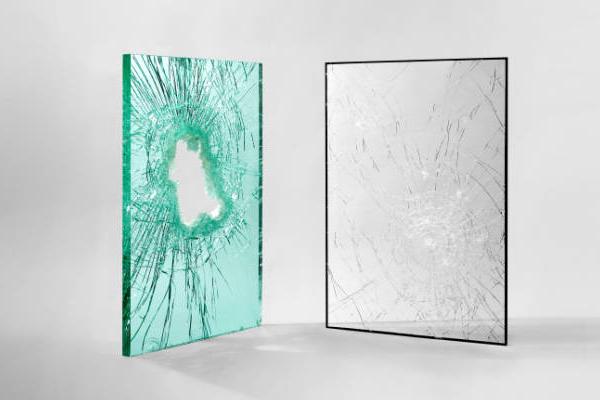
SILATEC develops safety glass in collaboration with leading universities. In cooperation with the University of Siegen, we are developing exceptionally lightweight and energy-efficient glass with high resistance to break-ins. The Technical University of Dresden analyzes the material properties and structural integrity of our glass panels, while the Technical University of Chemnitz optimizes production processes. Together with the University of the German Armed Forces in Munich, we are conducting research on protection against electromagnetic waves. This leads to innovative, safe, and forward-looking glazing solutions—directly rooted in real-world applications.
12 minutes

SILATEC - Does the world's safest glass come from Germany?

Which universities does SILATEC collaborate with on research related to safety glass?

SILATEC conducts research projects on safety glass in collaboration with the following renowned universities, among others:


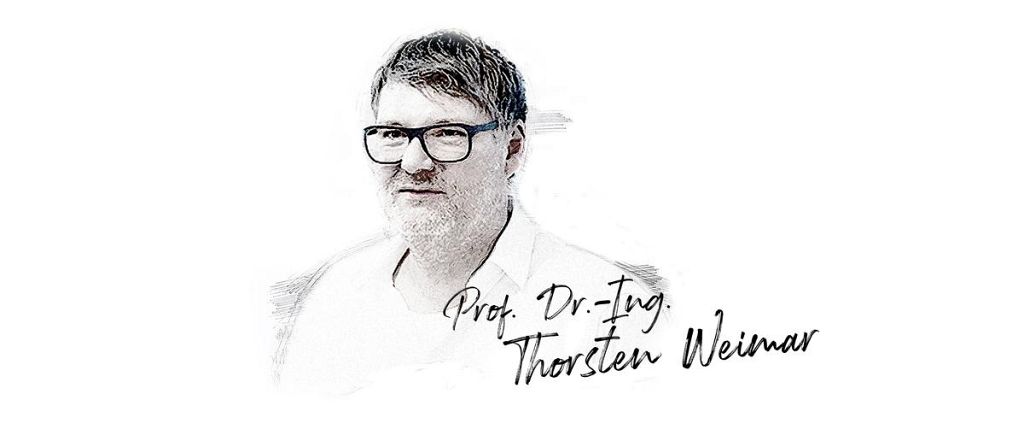
University of Siegen, Prof. Dr. Ing. Thorsten Weimar

Dresden University of Technology, Prof. Dr. Ing. Bernhard Weller

Chemnitz University of Technology, Prof. Dr. Michael Gehde

University of the German Armed Forces in Munich, Prof. Dipl. Ing. Peter Pauli


The primary focus is on gaining practical insights for the continuous and further improvement of safety glass and for clear customer benefits—such as products that are not only more durable but also more energy-efficient—as well as for new applications in architecture.

5
Universities
10000
Experiments
73
Discoveries

Research and Development for Safety Glass—Sometimes for Life-Saving Reasons

The company’s continuous drive for innovation since its inception has secured SILATEC a leading position in the industry and resulted in safety glass with outstanding properties. SILATEC safety glass can be found at the G7 and G20 summits, in the Reichstag in Berlin, in embassies, and time and again wherever safety plays a central—and, quite literally, vital—role. One statistic that underscores the importance of safety glass: The majority of all break-ins occur through a home’s weak points—namely, doors and windows—and the rate of broken glass is on the rise.

Research and development at SILATEC is deliberately focused on a single topic: safety glass.

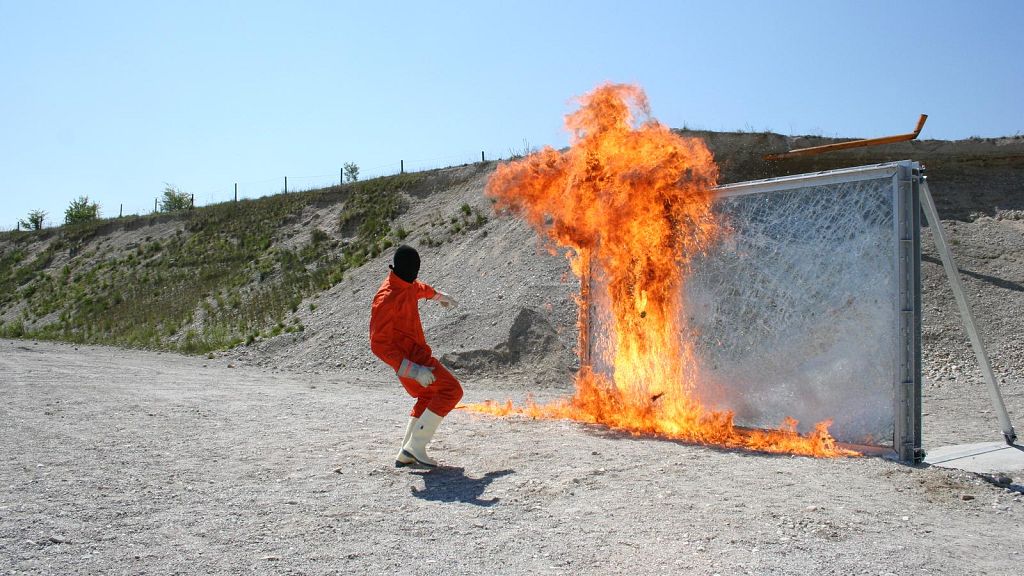
At SILATEC, field tests are an integral part of the development of safety glass. Research projects conducted in collaboration with universities complement these tests and provide insights that we incorporate into the further development of our glass products. In this way, we continuously improve our safety glass and strengthen our position as a leading manufacturer.

Research on Safety Glass in Collaboration with the University of Siegen

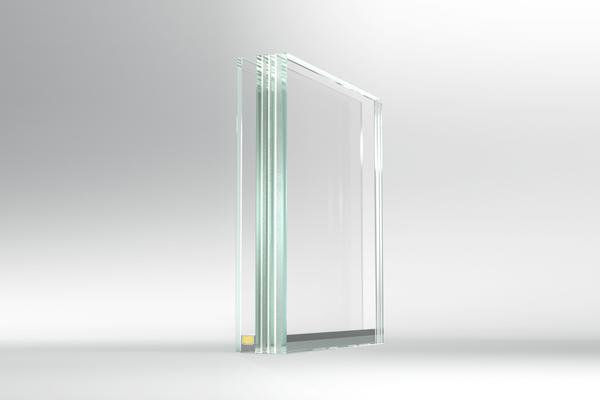
SILATEC has been collaborating with Prof. Dr.-Ing. Thorsten Weimar since 2005. The six projects conducted with the Chair of Structural Engineering at the University of Siegen demonstrate how safety glass can be further developed to meet various requirements. SILATEC and the university investigated slim laminated glass made of thin glass and polycarbonate, burglar-resistant insulated glass, and the retrofitting of existing glazing. Other projects focus on linear and point-supported laminated panels, vacuum-insulated glass with safety features, and bullet-resistant glass with thermal insulation.

Click on the images to view the project descriptions from the University of Siegen.

At the University of Siegen, with Prof. Dr. Ing. Thorsten Weimar:

1. Research Project: Development of Ultra-Thin Laminated Safety Glass

The results of the joint research project demonstrate the great potential of SILATEC’s innovative laminate for safety glass—particularly with regard to thermal insulation, sound insulation, and safety. Compared to conventional glazing, these ultra-thin laminated safety glass panes can be made not only up to 65% thinner but also up to 45% lighter—while offering improved thermal insulation and maintaining the same level of sound insulation. You can find an overview of the joint research project on the development of ultra-thin laminated safety glass here.

2. Research Project: How can the burglary resistance of existing glazing be improved?

The research highlights promising ways to effectively retrofit existing glazing to resist break-ins. The composite technology developed enables significantly higher security standards while using less material. This creates a cost-effective and sustainable alternative to replacing existing glazing. You can find an overview of the joint research project on the development of burglar-resistant insulated glass using glass-polycarbonate composite panels here.

3. Research Project: How can the energy efficiency of burglar-resistant glazing be significantly improved?

In light of stricter energy-saving requirements and ambitious climate goals, burglar-resistant insulated glazing is gaining importance. These innovative glass products combine burglary protection with a low U-value, which enhances their efficiency and safety in the construction industry. They are lighter, thinner, and offer improved thermal insulation and sustainability. These advances open up new possibilities for building design and contribute to the energy efficiency and safety of modern architecture. As a result, the aesthetic demands of large-format window areas can be increasingly reconciled with functional requirements. You can find more information about the research projects here.

4. Research Project: How can innovative laminated glass panels be made up to 73% lighter?

The laminated glass panes examined in the research project are particularly suitable for use as vertical glazing, with additional requirements such as fall protection or burglary resistance. This is due to the lightweight and slim glazing structure, combined with high resistance to mechanical impacts up to the highest burglary-resistant class according to EN 356—namely, resistance class P8B.

The research successfully developed safety glass that is up to 51% thinner in cross-section and up to 73% lighter than conventional specialty safety glazing when designed to resist manual attacks. This not only simplifies daily operation and handling but also enables slimmer frames and substructures for glazing in new construction, as well as retrofitting glazing in existing buildings. The heat transfer coefficient improves by up to 22% compared to conventional specialty safety glazing. You can find an overview of the joint research project investigating linearly and point-supported thin-glass-polycarbonate composite panels here.

5. Research Project: How can the performance of bullet-resistant glass be improved?

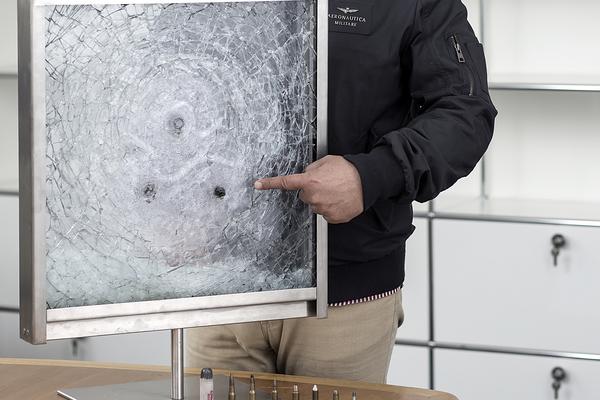
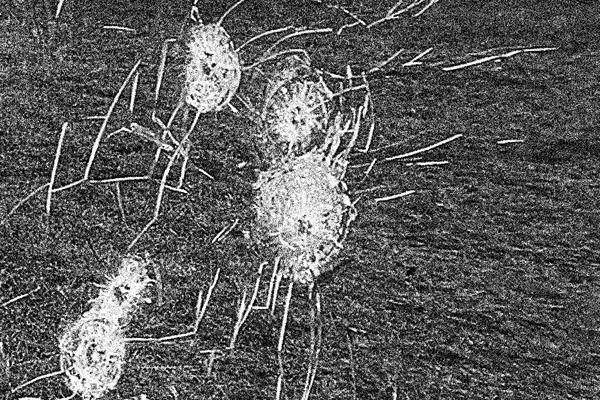
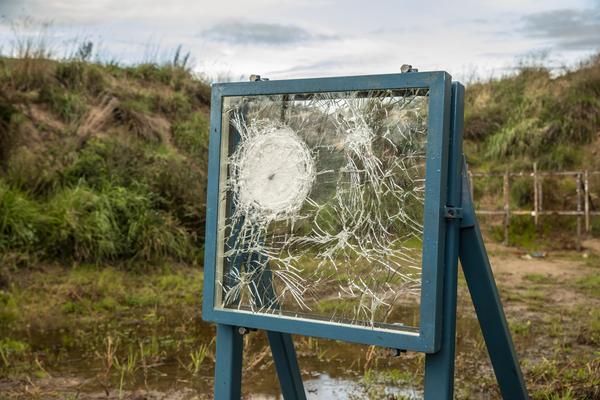
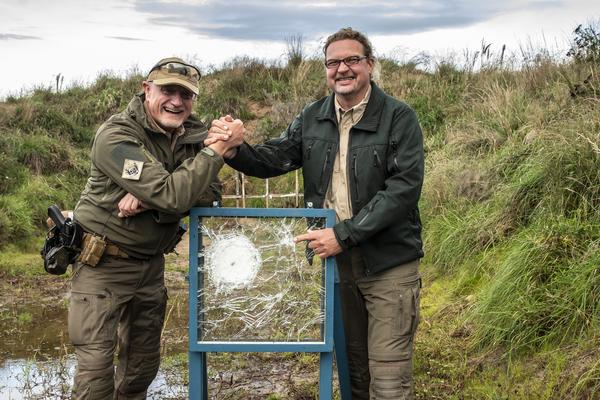
When a projectile or bullet strikes a solid object, it happens in a very short period of time and with enormous force and pressure. In the process, both the projectile and the target object deform. That is why the properties of the materials are particularly important under these conditions. Glass typically shatters faster than a projectile travels, which means that glass alone is not very effective at stopping projectiles. That is why SILATEC has developed special, highly transparent interlayers that do not have this problem. This makes it possible to produce exceptionally effective bullet-resistant glazing. Additional information on the research project “Bulletproof Glass with Thermal Insulation” can be found here.

At the Technical University of Dresden
with Prof. Dr. Ing. Bernhard Weller:

Investigations and Evaluations of Material Properties in Silatec Laminated Safety Glass Panes

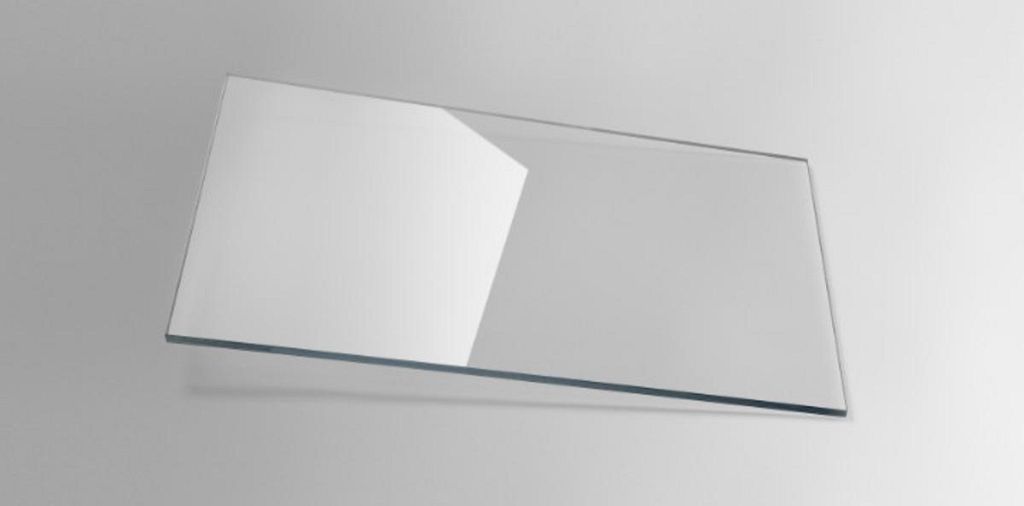
This research project at the chair of Prof. Dr. Ing. Bernhard Weller examines the properties of specialized safety glass composed of glass and plastics. Such glass is particularly durable and lightweight, making it ideal for use in buildings that require a high level of protection, such as embassies or banks. By combining glass with impact-resistant plastics, a high level of protection is achieved with low weight. The research has made it possible to precisely calculate and model these glass types in order to optimize their application in the construction industry.

At Chemnitz University of Technology
with Prof. Dr. Michael Gehde:

How can plastic processing procedures be optimized at SILATEC?

The manufacture of large-format safety glass with interlayers made of various plastics is an extremely delicate process—which is why it requires highly precise production methods. Thanks to the development of innovative technologies, this safety glass can be manufactured not only in particularly large sizes but also with high transparency. This makes it ideal for modern architecture, especially for facade systems that must be both aesthetically pleasing and safe.

These glass solutions offer high resistance to external influences and are therefore perfectly suited for applications where both design and safety play a central role.

At the University of the German Armed Forces in Munich
with Prof. Dipl. Ing. Peter Pauli:

Shielding Attenuation of Selected Silatec Safety Glasses Against Electromagnetic Waves in the Frequency Range from 200 MHz to 18 GHz

This project investigated how effectively various types of SILATEC safety glass can shield against electromagnetic waves. (The desired effect is called “shielding attenuation.”) Frequencies ranging from 200 megahertz to 18 gigahertz were tested; of particular interest was the protection in the range of cellular frequencies, such as around 900 megahertz (D-network) and between 1,800 and 2,000 megahertz (E-network, DECT phones, and UMTS). Depending on the frequency and type of safety glass, outstanding shielding values were achieved, namely shielding attenuation values of up to 99.95%.

Practical Applications: Safety Glass of the Future in Use

All this research and development ultimately serves a very practical and important purpose: to protect people and property, such as works of art, especially when the risks are high. The areas in which highly effective safety glass is used are as diverse as they are impressive. Here are just a few examples:


Innovations: 5 Questions for Prof. Dr. Dipl. Ing. Thorsten Weimar of the University of Siegen About His Research Projects with SILATEC


Prof. Weimar, you have been collaborating with SILATEC for over 20 years. What motivated you to enter into such a long-term research partnership with this company?

The collaboration, which continues to this day, actually began back in 2005 with a joint research project focused on the scientific investigation of the safety glass developed by SILATEC using a special glass-polycarbonate composite. The results of this research project not only confirmed the anticipated advantages of the composite but also identified further development potential. This subsequently formed the basis for the ongoing development of the glass-polycarbonate composite in numerous subsequent research projects. The collaboration with the SILATEC team was pleasant, constructive, and professional from the very beginning. In short: It’s simply a pleasure, both professionally and personally.


In your joint projects, you have, among other things, developed what is likely the thinnest structure for safety glass in the highest burglary-resistant class. What other innovations were you able to achieve in collaboration with SILATEC?

In one of the joint research projects, we implemented one of the very first architectural applications of thin glass on the market as early as 2017. The result was what was then the world’s thinnest burglar-resistant glazing meeting the highest resistance class, achieved through the combination of thin glass and polycarbonate. Another innovation involved retroactively increasing the burglary resistance of existing double-pane insulated glass units by adding an additional polycarbonate panel, which simultaneously improved the thermal insulation of the entire glazing system. This then led to the development of very slim and very lightweight triple-pane insulating glass units with burglary resistance up to the highest resistance class, as well as to the first-ever use of vacuum insulating glass as a component of special safety glazing.


In another interview, you mentioned the first and only approval for a glass-polycarbonate laminate as laminated safety glass. Can you explain why this development is so significant?

As a brittle material, glass breaks spontaneously, which is directly linked to the failure of the component. However, in buildings there are certain applications for glass—such as fall-protection vertical glazing or walk-on horizontal glazing—that require redundancy in the event of failure. Therefore, in these areas, glass is bonded to polymeric materials—that is, plastics—to ensure this redundancy. These types of glass are known as laminated safety glass. Until 2014, laminated safety glass in Germany was, by standard, composed exclusively of two or more layers of glass bonded with polymer interlayers made of polyvinyl butyral. Other compositions required a general building authority approval, involving extensive testing to verify the properties of laminated safety glass. At that time, SILATEC safety glass was the only glass-polycarbonate laminate to pass all tests and has therefore been permitted to be designated as laminated safety glass ever since.


Research projects cover a broad spectrum, ranging from thin-glass laminated panels to vacuum insulating glass. Where do you see the greatest potential for innovation for SILATEC in the coming years?

Over the past 20 years, we have been able to develop the glass-polycarbonate laminate into a multifunctional glazing solution for burglary resistance in many areas by incorporating thin glass and vacuum-insulated glass. Currently, from a societal perspective—unfortunately—there is a high demand for bullet-resistant glazing. This area offers enormous development potential, which we are currently investigating very thoroughly in a research project together with SILATEC. We expect this to result in very slim bullet-resistant glazing in the coming years that, unlike current state-of-the-art solutions, will still meet the high requirements for thermal insulation.


You refer to the polymer interlayers in the SILATEC composite as “the secret of SILATEC”: To what extent does this in-house development by SILATEC stand out from other solutions on the market, and what role does it play for future innovations in the field of burglary protection?

A glass-polycarbonate composite consists primarily of two semi-finished materials: glass and polycarbonate. The challenge lies in the permanent lamination of these two dissimilar materials. To achieve this, SILATEC uses a proprietary polymer interlayer that is laminated in a so-called “cold lamination” process without pressure or high temperatures. This prevents manufacturing-induced stresses in the composite. In comparable composites produced via “hot lamination”—which involves pressure and high temperatures—the interlayer must compensate for the residual stresses caused by the differing thermal expansion of glass and polycarbonate after manufacturing. This usually results in a reduced service life for the laminate. Another innovative step for SILATEC safety glass was undoubtedly the development of an alternative polymer interlayer with higher stiffness, which replaces the polycarbonate in certain applications.

Contact us
TÜVISOVdS
+49 8171 9281 0
E-Mail schreiben
Wir antworten in wenigen Stunden

Visions for the Future of Safety Glass

As a company that consistently and impressively underscores its leadership in the research and development of safety glass, this safety glass specialist is strongly committed to developing safety solutions that will also address future threats and societal changes.

In doing so, SILATEC takes into account trends such as growing social inequality (the gap between rich and poor) and the impact of technologies like AI on the world of work.

In the future, the focus will increasingly be on fending off multiple threat scenarios simultaneously and adapting dynamically to architectural changes. In addition, engineers at the German manufacturer will place great emphasis on further improving energy efficiency to minimize the company’s environmental footprint even further.        

Quality Assurance and Certification

With a strong focus on quality and innovation, SILATEC offers state-of-the-art technologies in the fields of burglary protection and bullet resistance. The company is ISO 9001 certified, which guarantees the highest standards in quality management. SILATEC’s commitment to continuous product improvement ensures that customers always benefit from the latest developments. The combination of German precision and many years of experience makes SILATEC the preferred partner for sophisticated security solutions worldwide.

Other products

ISOVdSTÜV SüdBeschussamt UlmBeschussamt MünchenG7 GermanyG20 GermanyTU BerlinIfTTU DresdenUniviersität SiegeniwfPfB